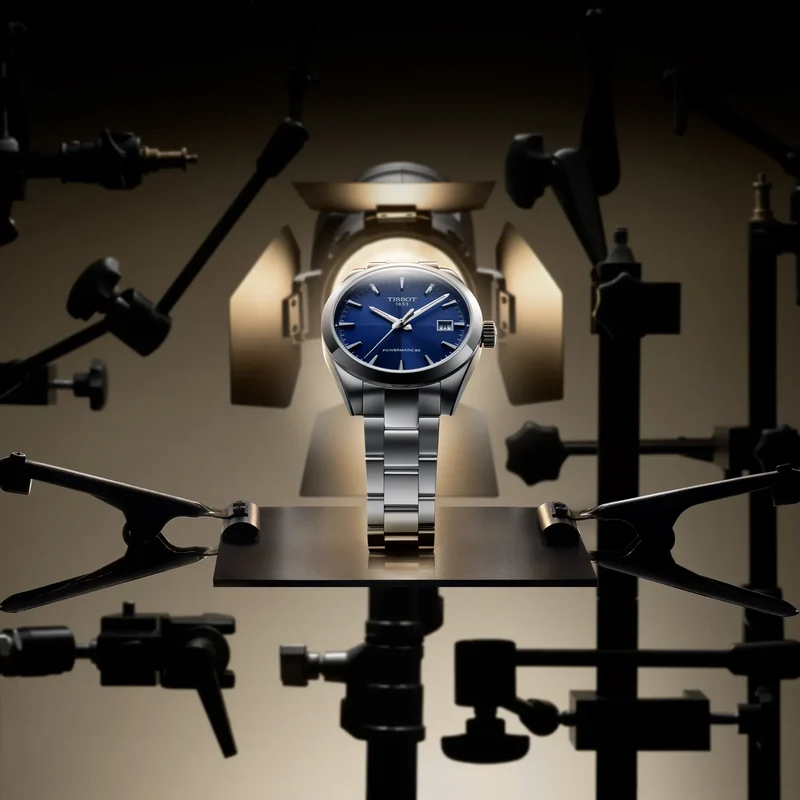
Tissot Classic Dream
Finding a watch that works for a boardroom meeting and a weekend dinner without looking out of place is harder than it sounds. The Tissot Classic Dream solves that problem with a design philosophy built around restraint rather than flash.
It doesn’t shout for attention, yet it rarely goes unnoticed. For anyone shopping for a first “real” watch or a reliable daily piece that won’t feel dated in five years, this collection deserves a closer look before you decide where to spend your money.
What Makes the Tissot Classic Dream Stand Out
Most watch collections try to be everything at once — sporty, dressy, casual — and end up feeling generic. The Classic Dream line takes the opposite approach. Every model leans into a single idea: simplicity done well. Thin bezels, uncluttered dials, and a case size that sits comfortably on most wrists (typically 38mm to 40mm) give it a proportion that photographs poorly represent but feels right in person.
Tissot, a Swiss brand under the Swatch Group umbrella, has built its reputation on offering Swiss-made quality at a price point that doesn’t require a second mortgage. The Classic Dream sits right in that sweet spot — genuine Swiss movement and craftsmanship without the premium markup of brands like Longines or Omega, which share the same parent company.
Design Details Worth Noticing
A quick glance might suggest this is “just another simple watch”, but the details reward closer inspection:
- Dial finishing: Sunburst or matte textures catch light differently throughout the day, adding subtle depth without pattern overload.
- Applied hour markers: Rather than printed numbers, most versions use raised metal indices, which is unusual at this price tier and adds a tactile, higher-end feel.
- Domed sapphire or mineral crystal: Depending on the specific reference, the crystal curvature gives the dial a slightly vintage optical effect.
- Case-back options: Some variants include a transparent case-back on automatic models, letting you watch the movement work — a small touch that matters to enthusiasts.
None of these features scream for attention on their own, but together they explain why the watch photographs as “basic” yet feels considered once it’s on your wrist.
Movement Options: Quartz vs. Automatic
One practical decision buyers face is choosing between the quartz and automatic versions.
Quartz models are battery-powered, require almost no maintenance, and keep near-perfect time. They’re the sensible pick if you want a grab-and-go watch that you don’t think about beyond an occasional battery swap.
Automatic models, often built on the reliable ETA or Powermatic 80 movement, are powered by wrist motion rather than a battery. The Powermatic 80 variant in particular offers an 80-hour power reserve, meaning it can sit unworn over a weekend and still be running when you pick it up Monday morning. For people who enjoy the mechanics of watchmaking, this is the more rewarding option, even if it costs slightly more and needs occasional servicing.
Who Should Actually Buy This Watch
The Classic Dream isn’t for someone chasing bold complications or a statement piece. It suits:
- Professionals who want one watch that pairs with both suits and casual outfits
- First-time buyers entering the world of Swiss-made watches without overspending
- Gift shoppers looking for something that reads as thoughtful rather than trendy
- Collectors wanting a dependable “beater” watch that won’t cause anxiety if scratched
If your priority is a large sporty chronograph or diving watch, this isn’t the right collection — Tissot has other lines like the Seastar or PRX for that purpose.
How It Compares to Similar Watches
Compared to entry-level offerings from brands like Seiko or Citizen, the Classic Dream generally wins on finishing and brand prestige, since “Swiss Made” still carries weight in resale value and perception. Against pricier options like a base Longines or a Hamilton, the difference often comes down to movement refinement and after-sales service network rather than daily wearability — Tissot holds its own remarkably well for the price.
Caring for Your Watch Long-Term
A few habits extend the life and appearance of any dress watch like this one:
- Avoid submerging automatic versions unless the water resistance rating explicitly allows it.
- Wind manually if the automatic model has been unworn for more than a day or two.
- Store it away from direct sunlight to prevent dial fading over years.
- Get it serviced roughly every four to five years if it’s an automatic movement.
Frequently Asked Questions
Is the Tissot Classic Dream a good starter watch? Yes. Its simple design, Swiss manufacturing, and moderate price make it a common recommendation for people buying their first proper watch.
What is the average price range? Depending on the movement and materials, prices typically range from around $300 for quartz versions to $500–$700 for automatic models with premium finishing.
Does it hold its value for resale? It holds value reasonably well within the entry-level Swiss watch segment, though it’s not considered an investment piece the way limited editions or luxury brands might be.
Is it suitable for everyday wear, including work? Yes, the understated dial and moderate case size make it appropriate for office environments, formal events, and casual outings alike.
Final Thoughts
The Tissot Classic Dream isn’t designed to impress at first glance; it’s designed to still look right years later, whether at a desk, at a dinner, or at a job interview. Between quartz reliability and automatic craftsmanship, there’s a version for nearly every preference and budget. For buyers who value quiet quality over trend-chasing, it remains one of the more sensible watches to own.